
Pre-seed MVP: what to build (and what to skip) before your first raise
A practical guide for pre-seed founders: what a first version needs to prove to investors, what to leave out, and how to keep the budget small.
Ohm Technology team11 November 20262 min read
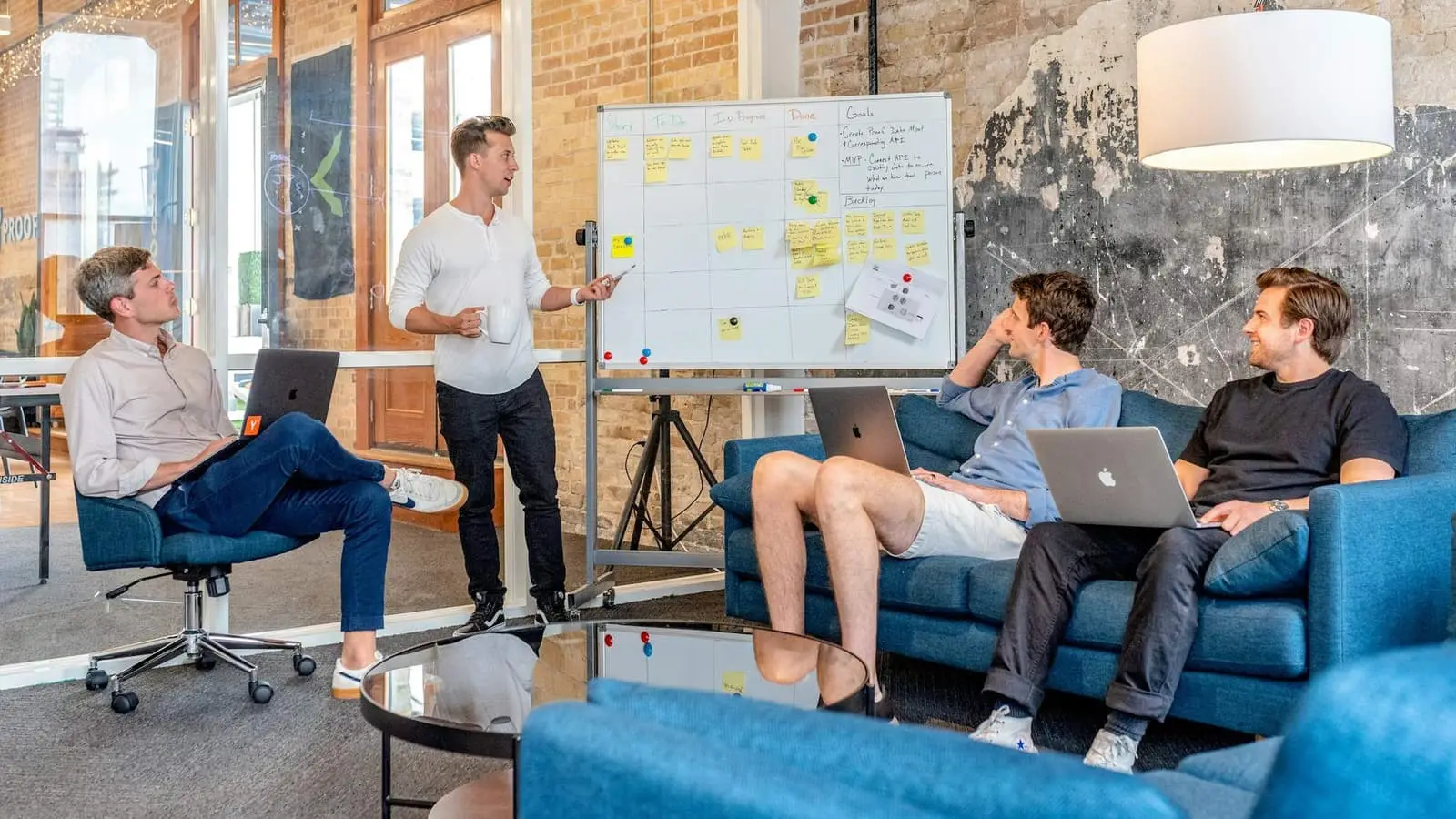
At pre-seed, investors are not buying your product. They are buying evidence that a real group of people has a problem worth solving, and that your team can ship. A first version (MVP) is the cheapest way to produce that evidence. The mistake most founders make is building too much of it.
What a pre-seed MVP needs to prove
Pick one or two of these and design the whole first version around them:
- People want it: sign-ups, a waiting list that converts, or repeat use over several weeks.
- People will pay: pre-orders, paid pilots or letters of intent from businesses.
- You can reach them: a channel that brings users in at a cost you can explain.
- You can build it: a working product in users' hands, not a slide.
If a feature does not help prove one of these, it can wait until after the raise.
What to build
- The single core workflow the user came for, done well from start to finish.
- Sign-up and login, using a standard provider rather than a custom system.
- Simple analytics so you can show usage, not just describe it.
- A way to take payment or capture intent, if paying is part of what you need to prove.
- An admin view so you can support early users without touching the database.
What to skip
- Native apps for both iOS and Android when a responsive web app would do.
- Settings pages, roles and permissions beyond the basics.
- Automation for tasks you can do by hand for the first fifty users.
- Integrations nobody has asked for yet.
- Pixel-perfect design across every screen; make the core flow clear and leave the rest simple.
Our guide to scoping a first version goes deeper on cutting features without cutting the value.
How much should it cost?
The cost depends on the platform, the number of core features and how fast you need it. Agree a fixed price for a fixed scope before work starts, so a pre-seed budget cannot quietly double. You can get a quick estimate with our MVP cost calculator, and read fixed price vs time and materials to decide how to contract it.
How long should it take?
A focused first version is usually ready in two to four weeks once the scope is agreed. If an estimate runs to many months, the scope is probably carrying features that belong after the raise.
Validate before you build
Some of the evidence can be gathered before writing any code: interviews, a landing page with a clear offer, a clickable prototype. See how to validate a startup idea before development.
How we work with pre-seed founders
We help founders decide what the first version must prove, then design and build it at a price agreed up front. Read more on our pre-seed and seed startups page and MVP development service, or book a free call to talk through your idea.
Frequently asked questions
What should a pre-seed MVP prove?
One or two things investors care about: that people want it, that they will pay, that you can reach them, or that your team can ship a working product.
How long does a pre-seed MVP take to build?
A focused first version is usually ready in two to four weeks once the scope is agreed.
Should a pre-seed MVP be a web app or a mobile app?
Usually a responsive web app first: it is faster and cheaper to build and change. Native apps make sense when the core idea depends on phone features.
Have an idea you want to test?
Book a free 30-minute call and we'll help you work out what to validate first.
Book a free call